Redefining the Digital Moviegoing Experience
Context & Role
When I joined Cinépolis, one of the world’s largest cinema chains and the largest in Latin America, I stepped into a company deeply loved by millions but digitally fragmented across channels. As Product Director, I led the UX, Product Design, and Digital Product Development for the brand’s entire ecosystem, including Web, Mobile Apps, Kiosks, KDS, and Club Cinépolis loyalty integration
My mandate was clear but ambitious: reimagine how people interact with the magic of cinema through digital experiences that feel effortless, personal, and emotionally resonant. “Leading product at Cinépolis meant connecting technology and human emotion, creating digital touchpoints that preserve the ritual of going to the movies, while making it as seamless as a tap.”
The Challenge
The digital ecosystem had grown organically over the years and each platform operated under different design languages, technologies, and user experiences. Customers faced friction from inconsistent flows across devices to unclear payment steps and limited integration between ticket purchase, food ordering, and loyalty.
Internally, design and product teams worked in silos. There was no centralized design system, no unified analytics framework, and no shared understanding of the customer journey. We needed to build coherence, scalability, and emotional connection simultaneously across all the new platforms.
Strategy & Definition Process
Leading the digital strategy at Cinépolis required navigating a complex ecosystem of stakeholders, business priorities, and customer expectations across multiple countries and platforms. The challenge was not only to redesign and modernize our digital products, including the website, mobile app, kiosks, KDS, and loyalty program, but to align diverse internal teams such as Marketing, CRM, Operations, IT, Product, and Commercial around a unified vision. Each area had different objectives, timelines, and legacy processes, which made strategic coherence essential.
To move forward, I established a cross-functional governance model that clarified responsibilities, decision-making frameworks, and product roadmaps. This allowed us to prioritize initiatives based on measurable business impact while preserving the integrity of the user experience. By grounding decisions in user research, behavioral data, and experience principles, we ensured that product evolution supported both customer needs and commercial goals.
Product Definition
Discovery
To build a strategy that truly aligned business needs with user experience, we conducted an extensive research phase that included customer interviews, usability studies, journey mapping, and behavioral data analysis. In parallel, I led a series of collaborative workshops with key stakeholders like Marketing, CRM, Operations, IT, Product, Commercial, and Cinema Operations, to uncover pain points, consolidate priorities, and define a shared vision for the digital ecosystem. These sessions allowed us to connect operational constraints with real user insights, ensuring that every decision was grounded in both feasibility and customer value. The result was a strategy that balanced operational feasibility, stakeholder alignment, and UX excellence, enabling Cinépolis to consolidate a global omnichannel ecosystem with consistent, scalable, and frictionless experiences across all digital and in-cinema touchpoints.
UX Design
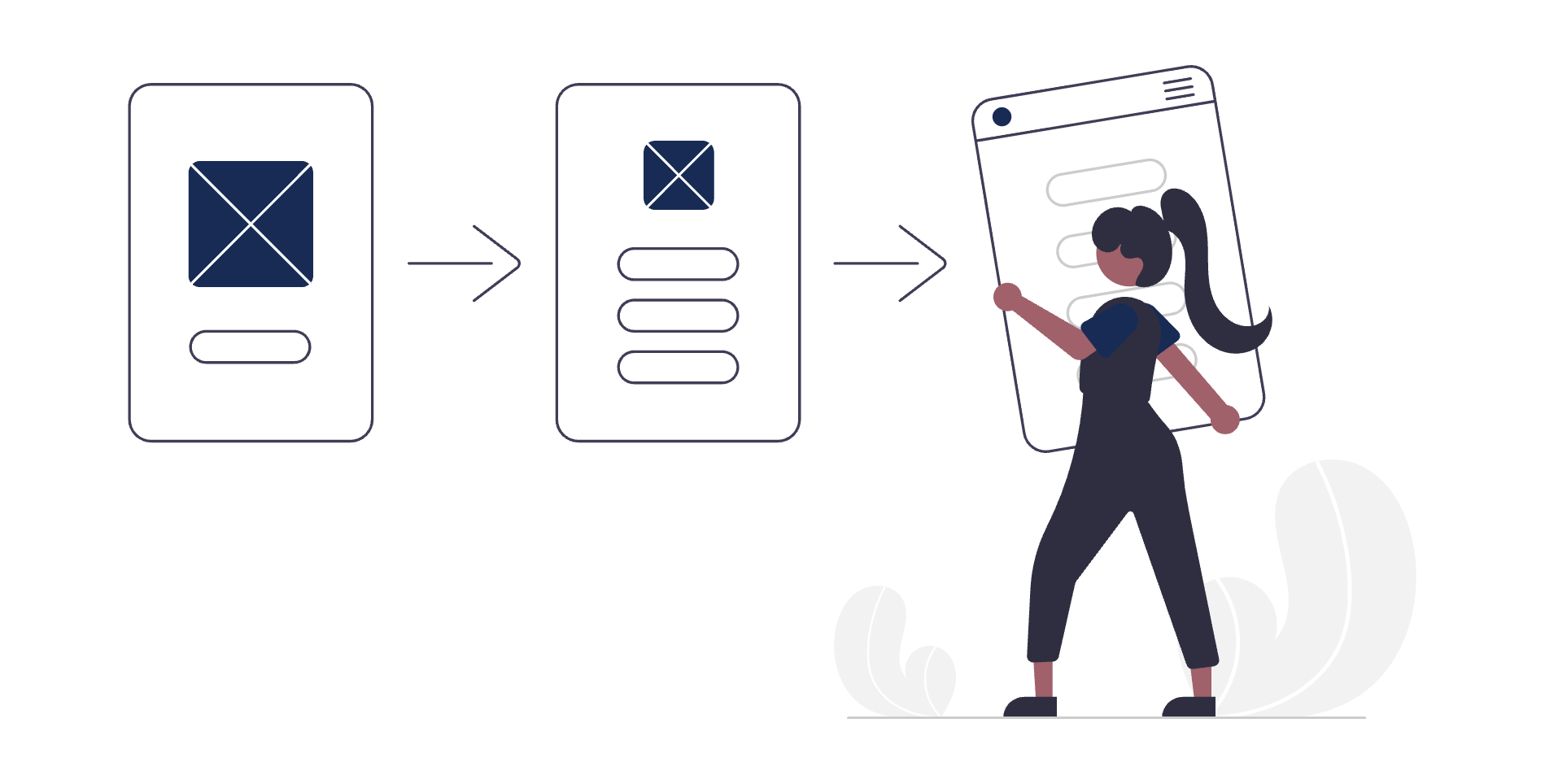
We started the UX definition by focusing on the web platform, intentionally using it as the core foundation for the entire omnichannel experience. Beginning with web allowed us to establish the fundamental interaction patterns, navigation logic, accessibility rules, and content hierarchies that would later scale consistently to mobile apps, kiosks, and in-cinema systems. By tackling the web experience first, we were able to validate user flows early, identify cross-device friction points, and consolidate design principles before expanding into more complex touchpoints. This approach accelerated development, created a unified design language from the start, and ensured that every channel—whether desktop, mobile, or physical—was aligned with the same UX vision and standards.
UI Design
The UI definition phase focused on creating a cohesive and scalable visual language to unify all Cinépolis digital touchpoints. We began by developing a robust design system that included components, interaction patterns, typography, color rules, spacing tokens, and accessibility standards, ensuring consistency across web, mobile app, and kiosks. From there, we designed hundreds of screen variations for each device type, adapting layouts and behaviors to different resolutions, interaction models, and usage contexts. This process required deep attention to detail, optimizing asset performance, and ensuring that every component behaved predictably across platforms. By standardizing the UI at a foundational level, we streamlined development, reduced rework, and enabled all teams (internal and external) to build faster while maintaining a unified look and feel throughout the entire omnichannel ecosystem.
Development
Once the UX and UI foundations were fully defined, we initiated the development phase by aligning engineering teams on architecture, technical requirements, and component behaviors outlined in the design system. This kickoff ensured that frontend, backend, and mobile engineers shared a unified understanding of the product vision, interaction patterns, and delivery milestones.
Development Approach
We kicked off the development process by translating the validated UX flows, UI components, and functional requirements into a clear and actionable engineering roadmap. This included aligning frontend, backend, and mobile teams on the system architecture, API needs, data structure, and component behaviors defined in the design system. Through structured sprint planning, technical grooming sessions, and early integration checkpoints, we ensured that every team had a shared understanding of the product vision and delivery milestones. This approach enabled us to build core features efficiently, reduce rework, and keep scalability, performance, and cross-platform consistency at the center of every decision.
Cross-Functional & Iterative Delivery
Throughout the development phase, we maintained tight collaboration across engineering, UX/UI, QA, CX, and business stakeholders to ensure each iteration aligned with both user needs and operational feasibility. We implemented Agile ceremonies, daily stand-ups, sprint planning, reviews, and retrospectives, to maintain transparency, unblock teams quickly, and surface risks early. Each release cycle included continuous QA validation, performance monitoring, and incremental refinement based on analytics and user feedback. This iterative model enabled us to deliver value faster, stabilize the product across all platforms, and ensure the final experience exceeded expectations for usability, reliability, and business impact.
The final delivery
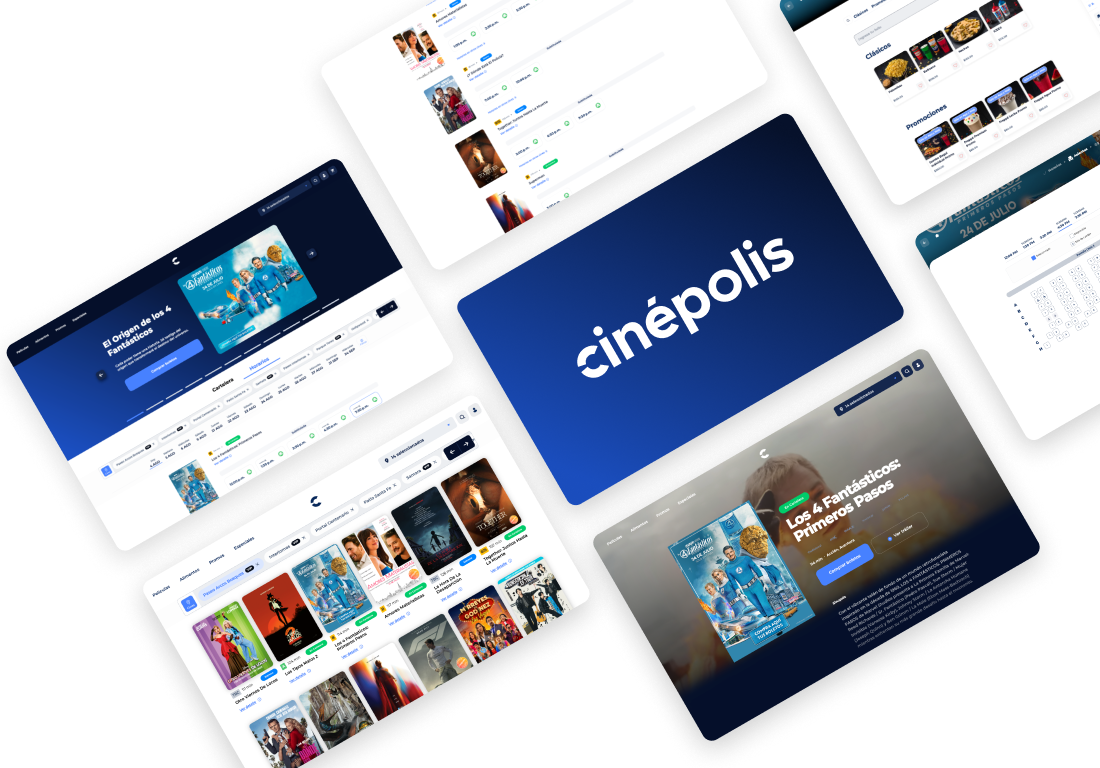
Throughout this project, I led the design and development of Cinépolis' core digital products, including the new Cinépolis Mobile App and the redesigned Cinépolis website, both conceived as part of a unified omnichannel ecosystem. These platforms were built to deliver a consistent, seamless experience across devices, integrating ticketing, loyalty, memberships, concessions ordering, and personalized content. You can explore both products directly here: cinepolis.com and the Cinépolis App available on iOS and Android, which showcase the combined work of UX strategy, UI design, and scalable technical implementation that guided the project from concept to launch.
Selected Works